Honoring the Final Journey: Social Fabrics and Cultural Customaries in India
Wiki Article
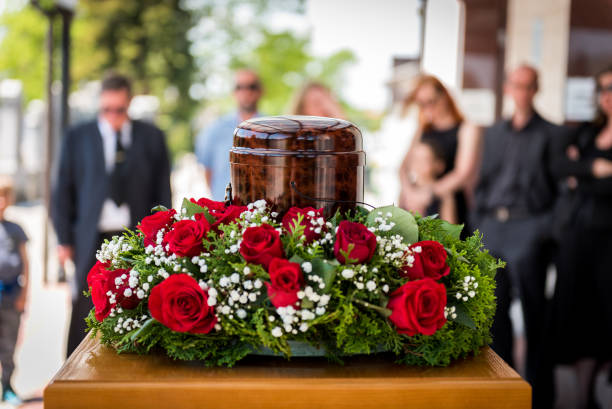
Throughout the rich cultural regions of India, traditions associated with honoring an individual's passing represent a profound expression of collective heritage. In every corner of the subcontinent, the traditions associated with honoring an individual's earthly chapter demonstrate unmatched grace, historical roots, and mutual support. Far from viewing departure with isolated sorrow, these customs serve as a vital cultural bridge, uniting relatives, honoring elders, and passing down timeless values. The immediate hours following a person's passing are spent in thoughtful, dignified preparation. Loved ones lovingly execute time-honored home traditions preserved within family lines. The individual is adorned in clean, elegant garments representing local artistic styles. In many traditions, classic white attire is selected, representing equality, calm reverence, and timeless grace. Among various ethnic lineages, traditional textiles featuring intricate patterns or specific cultural colors are selected to celebrate an elder's wisdom and societal contributions. Flowers hold a deeply meaningful place within these home observances. Artistically woven wreaths of sweet jasmine, brilliant marigolds, and fresh roses are carefully arranged around the individual. These floral decorations are far more than aesthetic adornments; they express the collective affection and high esteem of the community. The gentle application of aromatic sandalwood paste, natural rosewater, and traditional herbal essences underscores the high level of respect, hygiene, and beauty present in the household. Among the most celebrated social features of these traditional farewells is the solemn walk of honor from the family residence to the community resting grounds. Known across various regions as a procession of honor, this peaceful walk along shared streets turns family sorrow into a dignified public tribute. Community members, distant relatives, and lifelong friends assemble in front of the family home, wearing simple white traditional attire showing total unity, equality, and shared respect. The rested individual is borne on a handmade platform crafted from sturdy local bamboo, decorated with fresh foliage and bright flowers. As the procession moves through the streets, members of the community step forward to take turns carrying the frame upon their shoulders. This physical act of sharing the weight is a profound gesture of fellowship, proving that grief is met with shared strength. Across numerous localities, gentle instrumental music played on traditional flutes, drums, or bells enhances the journey, offering a graceful auditory backdrop that informs the local district of a completed life journey. India's immense cultural diversity manifests clearly within the distinct farewell practices found across states and communities. Even as mutual respect and community participation stay identical throughout, the visual and artistic details differ wonderfully according to regional heritage and local ancestry. After the main day of farewell, subcontinental tradition observes a dedicated period of domestic hosting, generally spanning ten to thirteen days. Throughout these days, the family home becomes an open sanctuary for visiting friends, distant relatives, and community members who travel from afar to offer condolences and pay their respects. Hospitality during this period is a vital cultural requirement. Freshly cooked vegetarian meals are made each day to feed visiting neighbors, family, and travelers. This practice of joint dining creates strong emotional bonds, helps visitors reflect on the individual's positive contributions, while guaranteeing that the family receives active help and daily supplies from neighbors. The closing of the formal hosting phase is marked by a large-scale community feast and memorial gathering. Family elders share stories of the individual's achievements, wisdom, and character traits, preserving family heritage for children and grandchildren. Generous community donations—including gifting garments to neighbors, funding local schools, or providing meals to the needy—are traditionally performed in honor of the departed, building a lasting legacy of kindness and civic care.
Kengeri Crematorium Indian society approaches the honoring of the departed through a harmonious mix of joint effort and refined etiquette. Whether in quiet country settlements or dense metropolitan districts, the collective gathering of relatives, neighbors, and friends serves as the primary pillar of support. This social tradition provides a supportive atmosphere through which communities offer mutual support, demonstrate respect for elders, and celebrate the enduring influence of a person's life legacy.
Loving Preparation and Aesthetic Elegance
The White Procession: Community Solidarity in Motion
Aspect
Traditional Medium
Cultural Significance
Clothing
Unadorned White Textiles
Reflects modest dignity and visual harmony.
Carrying Litter
Woven Bamboo and Foliage
Reflects connection to nature and traditional craftsmanship.
Floral Adornments
Marigolds and Jasmine
Conveys family devotion and visual honor.
Herbal Preparations
Sandalwood Paste and Rosewater
Offers a fresh, dignified atmosphere.
Regional Expressions of Honor
Kallahalli Crematorium Regardless of whether the final rites use natural earthen placement or traditional fire settings, the practice remains deeply rooted in local philosophy of restoring balance with the surrounding natural world through practices that prioritize environmental respect and cultural grace.
Hospitality, Remembrance, and Social Continuity
Conclusion: An Enduring Legacy of Respect
Hindu Burial Ground Adityanagra The farewell traditions of India present a masterclass in community togetherness, textile art, and social respect. By transforming a moment of farewell into a dignified celebration of cultural heritage, these customs prove the enduring value of shared hospitality and tradition. Through beautiful floral arrangements, white-clad processions, regional artistry, and generous hospitality, Indian culture honors the journey of the individual while fortifying the enduring bonds of the community for generations to come.